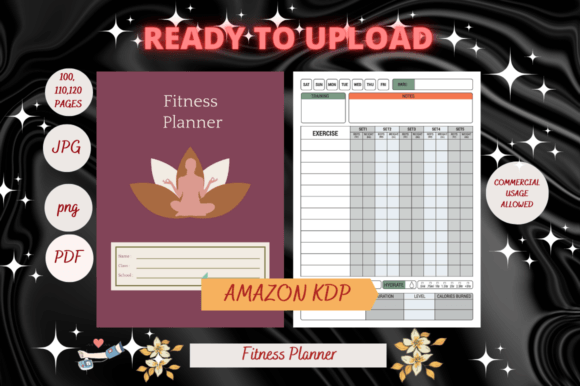
Fitness Planner: Streamlining Your Design Workflow
A well-structured Fitness Planner is more than just a set of pages; it's a foundational creative asset that brings organization and clarity to personal wellness journeys. For graphic designers and creators, this presents a unique opportunity to craft visual experiences that motivate and guide users. The demand for high-quality, ready-to-use templates in the fitness niche is growing, offering a practical solution for those looking to launch digital products or enhance their portfolio with functional design work.
The Design Principles Behind an Effective Fitness Planner
Creating a compelling planner requires a thoughtful approach to visual design. Every element, from typography to layout, serves a purpose in the user's experience. A successful design balances aesthetic appeal with practical usability, ensuring the planner is both beautiful to look at and easy to use daily.
- Visual Hierarchy: Guides the user's eye to the most important information, such as daily goals or weekly summaries.
- Readability: Clean, legible fonts and ample white space prevent clutter and reduce cognitive load.
- Consistency: A cohesive color palette and recurring design motifs build a recognizable brand identity for the product.
- Scalability: Designs must look crisp in both digital formats (PDF, PPT) and in print, requiring careful attention to resolution and layout.
When selecting a template like a Fitness Planner for KDP, evaluating these core graphic design principles is essential. The right choice becomes a seamless extension of a user's motivation, turning abstract goals into tangible, trackable progress.
Practical Applications and Creative Projects
The versatility of a well-designed fitness planner extends far beyond personal use. It serves as a versatile template for numerous creative and commercial projects, integrating smoothly into broader design workflows.
For Branding and Digital Products
A planner with a strong visual identity can be the cornerstone of a fitness brand's merchandise line. Its design elements—the color palette, iconography, and layout style—can inform the creation of complementary social media graphics, website UI components, and even packaging design for related wellness products. This ensures brand consistency across all customer touchpoints.
For Marketing and Editorial Design
Marketers can utilize the structured layout of a fitness planner to create engaging lead magnets or content upgrades. The clean, organized format is ideal for presenting health tips, workout routines, or meal plans in blog posts, email newsletters, or digital magazines. It provides a professional presentation framework that enhances content credibility.
Choosing and Customizing Your Creative Assets
When sourcing a fitness planner template, consider its adaptability to your specific design goals. A premium asset should offer flexibility, allowing for customization that aligns with your unique aesthetic or a client's brand identity.
Look for templates that provide files in multiple formats, such as PDF, PPT, PNG, and JPG. This compatibility ensures you can easily edit, present, and distribute the design across various platforms. High-quality, print-ready files with tested dimensions (like standard 8.5" x 11") are non-negotiable for professional projects, eliminating guesswork and production errors.
Ultimately, the value of any creative asset lies in its ability to solve a problem and elevate a project. A thoughtfully designed fitness planner does exactly that—it combines modern aesthetics with functional design to create a tool that users will value and engage with consistently. Investing in such quality resources not only saves time but also significantly enhances the visual impact and professionalism of your final output, whether it's for a personal brand, a client project, or a new digital product line.