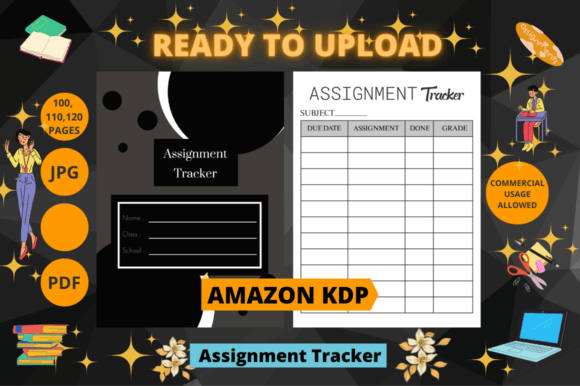
Assignment Tracker: Streamline Your Design Workflow
Every successful creative project begins with a clear system, and a well-designed Assignment Tracker is the unsung hero that brings order to the chaos of modern graphic design. This essential tool isn't just about listing tasks; it's a visual command center for managing deadlines, resources, and creative flow. For designers juggling multiple client briefs, marketers coordinating campaigns, or business owners overseeing brand assets, a structured tracker transforms overwhelming projects into manageable, sequential steps, ensuring nothing falls through the cracks and every detail receives the attention it deserves.
The Role of Structure in Effective Visual Communication
In the realm of graphic design and visual communication, clarity is paramount. An Assignment Tracker functions as the visual hierarchy for your workflow, establishing a logical order that mirrors the principles of good design itself. It helps prioritize tasks based on urgency and importance, much like how a designer uses scale and contrast to guide a viewer's eye. This structured approach directly impacts the quality of the final output. When the process is organized, the focus shifts from frantic problem-solving to thoughtful creation, leading to stronger branding, more cohesive editorial design, and more polished professional presentations.
Practical Applications Across Creative Disciplines
The utility of a robust tracking system extends across nearly every facet of the creative industry. Its value lies in providing a centralized reference point that keeps teams and individuals aligned.
- Branding and Logo Design: Track revisions, color palette approvals, and file format deliveries for comprehensive brand identity packages.
- Marketing Materials: Manage the production of brochures, flyers, and ad copy, ensuring consistency across all print design and digital assets.
- Social Media Content: Schedule and visualize a content calendar, coordinating graphics, copy, and posting schedules for maximum engagement.
- Website and UI/UX Design: Log interface components, user testing feedback, and development handoff tasks to streamline the design workflow.
- Packaging Design: Monitor dieline proofs, material specifications, and regulatory copy, which is critical for complex packaging design projects.
Integrating Trackers into Your Creative Process
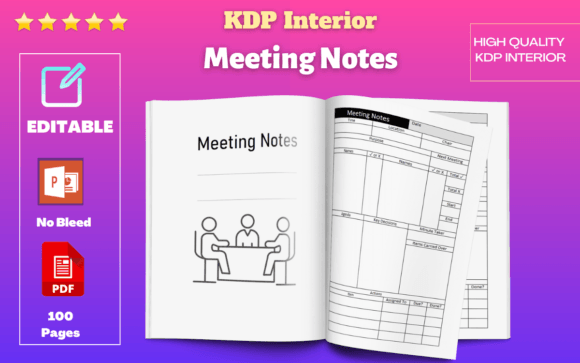
Selecting the right format for your Assignment Tracker is a key design decision. The provided resources, available in PDF, PPT, PNG, and JPG formats, offer incredible flexibility. A PDF is perfect for a print-ready reference sheet, while a PPT file allows for editable, collaborative planning in presentations. The PNG and JPG versions serve as quick-reference images or can be imported into design software like Adobe Illustrator or Figma as a layer template.
When evaluating any tracking template, consider these factors for seamless integration:
- Consistency & Scalability: Does the layout support your project's scale, from a single logo to a full digital marketing campaign? Ensure it can grow with your needs.
- Readability & Clarity: Clean typography and ample white space are non-negotiable. A cluttered tracker defeats its purpose, much like a poorly designed UI confuses users.
- Compatibility: The asset should complement, not clash with, your existing design workflow and software ecosystem.
Thoughtful design choices, even in utilitarian tools like project trackers, reinforce a commitment to quality and efficiency. By incorporating a high-quality, print-ready resource into your process, you are not just organizing tasks—you are building a foundation that elevates the aesthetic and communicative power of all your creative projects. This attention to the supporting systems of design ultimately leads to more inspired work and a more sustainable, professional practice.