Daily Meal Planner: Streamline Your Routine and Design Projects
In the fast-paced world of graphic design, efficiency and organization are just as critical as creativity. A Daily Meal Planner serves as an excellent example of how structured layouts and thoughtful typography can transform a chaotic schedule into a streamlined workflow. For designers and creators, the appeal of a high-quality, ready-to-use planner lies in its ability to bridge the gap between functional utility and modern aesthetics, offering a professional tool that enhances both personal productivity and brand identity.
The Role of Visual Hierarchy in Editorial Design
When designing a Daily Meal Planner, the primary goal is clarity. This requires a sophisticated understanding of visual hierarchy—the arrangement of elements to show their order of importance. In the context of these KDP-ready interiors, the use of grids, consistent spacing, and legible typography ensures that the user can quickly scan and input data. This same principle applies to broader graphic design projects, such as web design or UI design, where user experience (UX) relies heavily on how easily information is processed. A well-designed planner acts as a case study in effective information architecture, proving that a clean layout reduces cognitive load and improves user engagement.
Practical Applications Beyond Personal Use
While the immediate function of a Daily Meal Planner is personal organization, the design assets used to create it have vast applications across various creative industries. The templates provided—available in PDF, PPT, PNG, and JPG formats—offer versatility for designers working on diverse projects. These formats are compatible with standard design workflows, allowing for easy integration into larger branding systems or digital marketing campaigns.
Consider how these assets can be repurposed:
- Brand Identity Systems: Use the planner layouts as a foundation for developing stationery sets or corporate collateral, ensuring visual consistency across all touchpoints.
- Social Media Graphics: The clean, structured aesthetic of a meal planner translates well to Instagram stories or Pinterest pins, particularly for lifestyle, wellness, or food industry clients.
- Packaging Design: Elements from the planner’s grid system can inspire the layout of nutritional information or ingredient lists on food packaging, balancing regulatory compliance with modern aesthetics.
- Merchandise and Digital Products: For creators selling digital downloads, these high-resolution interiors provide a professional foundation for creating value-added products that resonate with an audience seeking organization and style.
Evaluating Quality and Compatibility
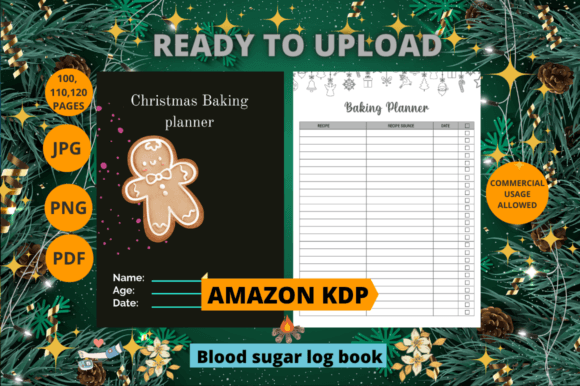
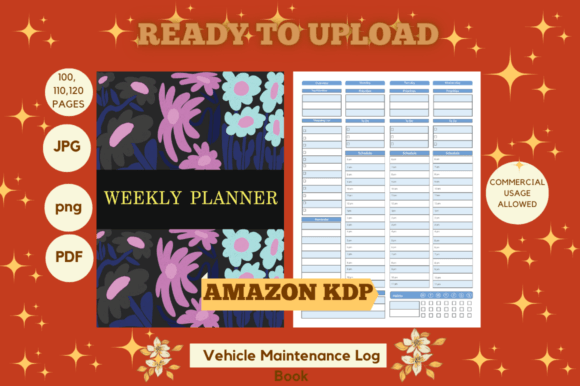
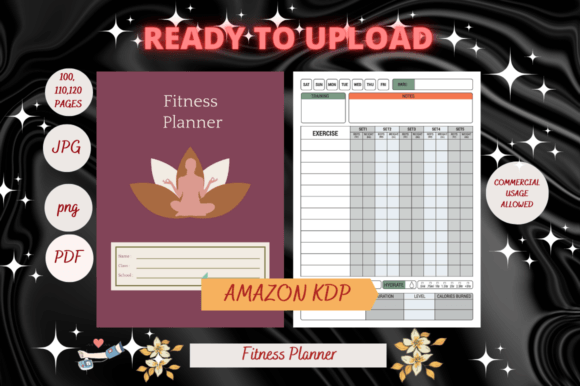
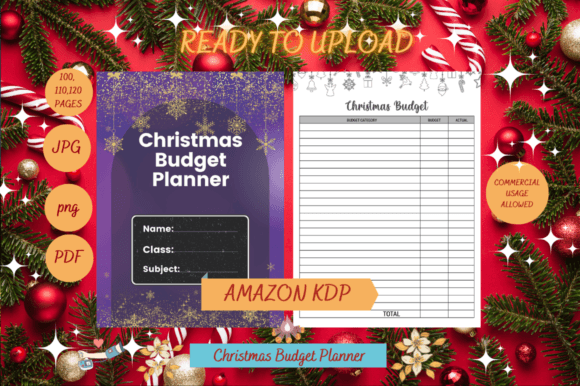
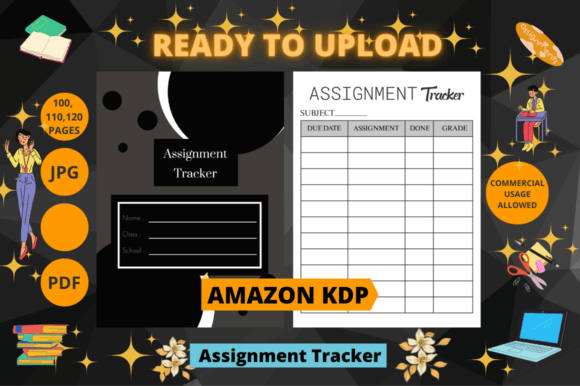
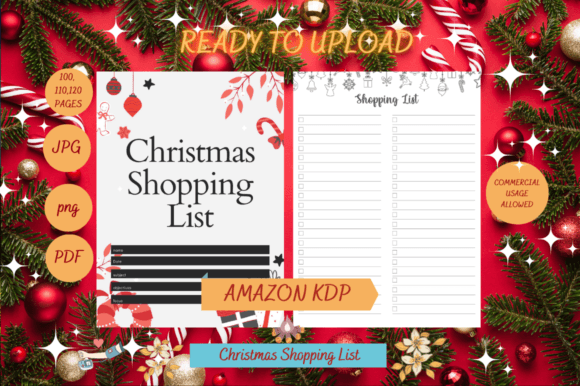
For graphic designers and business owners, selecting the right creative assets involves more than just visual appeal. It requires an evaluation of technical specifications and compatibility with existing systems. The Daily Meal Planner collection highlighted here is designed with professional standards in mind, featuring dimensions of 8.5" x 11" and varying page counts (100, 110, and 120 pages) to suit different project scopes. Crucially, these files are tested on Amazon KDP and designed with no bleed, ensuring a seamless upload process and a polished final print product.
When integrating such assets into your creative projects, consider the following factors to maintain design integrity:
- Scalability: Ensure that vector elements or high-resolution rasters are used so that designs remain sharp across different media, from small mobile screens to large format prints.
- Color Palette Consistency: Check that the color profiles of the planner assets align with your client’s or your own brand guidelines to maintain a cohesive visual identity.
- Typography and Readability: Assess the legibility of the fonts used within the planner. Good typography is essential for accessibility and ensures that the content is easily digestible for the end-user.
- File Format Flexibility: Utilize the provided PNG and JPG files for quick mockups or social media content, while reserving the editable PPT and print-ready PDF versions for final production stages.
Enhancing the Design Workflow
Utilizing a pre-designed Daily Meal Planner is not a shortcut; it is a strategic decision to optimize the design workflow. By starting with a tested, professional foundation, designers can allocate more time to the creative aspects of a project, such as developing unique brand narratives or experimenting with innovative color palettes. This approach allows for a focus on high-level creative problem-solving rather than getting bogged down in the technicalities of layout construction from scratch.
Ultimately, the value of high-quality design assets lies in their ability to elevate the final output. Whether you are a freelancer building a portfolio, a marketer creating content for a campaign, or an entrepreneur launching a new product, the thoughtful selection of resources like a Daily Meal Planner can significantly impact the quality of your visual communication. By prioritizing assets that offer both aesthetic appeal and functional robustness, you ensure that your projects not only look professional but also deliver a superior user experience, reinforcing your commitment to excellence in every detail.