Streamline Your Creative Process with a Professional Weekly Planner
In the fast-paced world of graphic design and digital marketing, effective visual communication hinges on meticulous organization. A well-structured Weekly Planner is more than a simple to-do list; it is a foundational tool for managing complex creative projects, ensuring brand consistency, and meeting critical deadlines. For professionals exploring design assets that enhance productivity and aesthetic appeal, a thoughtfully designed planner can transform chaotic workflows into streamlined, visually cohesive processes.
The importance of a dedicated planning system in modern graphic design cannot be overstated. It serves as the operational backbone for everything from initial concept sketches to final delivery. By mapping out tasks, client meetings, and production schedules, designers can allocate their creative energy more efficiently. This structured approach is crucial for maintaining the high standards required in branding, where every detail contributes to a unified brand identity. A planner helps ensure that logo design iterations, typography selections, and color palette developments progress systematically, preventing oversights that could compromise a project's visual hierarchy.
Practical Applications Across Design Disciplines
The utility of a robust planning framework extends across numerous creative and professional domains. Its principles are universally applicable, providing clarity and direction whether you are a freelancer, part of an agency team, or managing a business's in-house marketing.
- Branding and Identity Projects: Schedule phases for research, concept development, and client presentations to build a strong brand identity without rush.
- Marketing and Social Media Graphics: Plan content calendars, campaign rollouts, and social media graphics in advance, ensuring a consistent and engaging online presence.
- Web and UI/UX Design: Break down complex website or app design projects into manageable sprints, coordinating between wireframing, prototyping, and user testing.
- Editorial and Print Design: Organize the production timeline for magazines, books, or packaging design, coordinating with writers, illustrators, and printers.
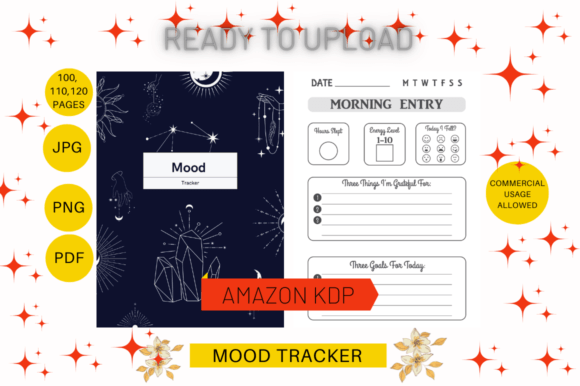
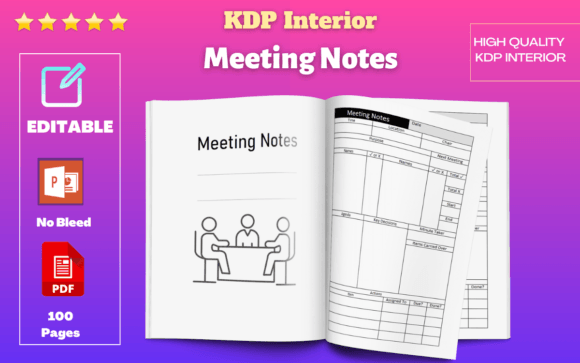
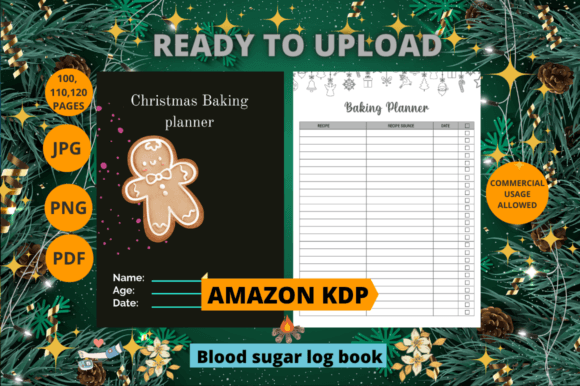
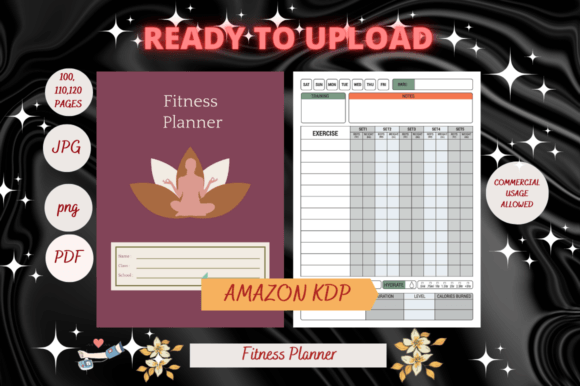
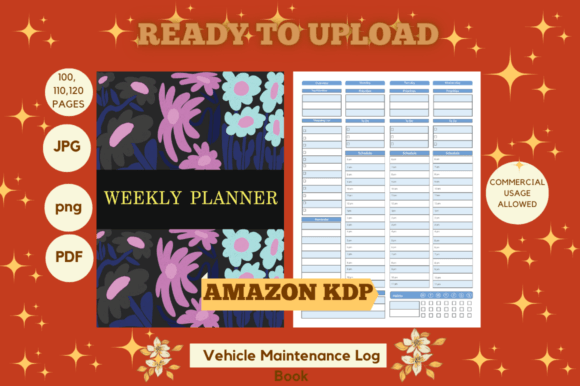
For those seeking a ready-to-implement solution, a professional Weekly Planner template designed for print can be invaluable. Consider a resource like this Weekly Planner for KDP, which includes three complete books in PDF, PPT, PNG, and JPG formats, ready for upload to Amazon KDP. These templates are designed with standard print dimensions (8.5" x 11") and are tested for no-bleed printing, offering a high-quality, print-ready foundation for your organizational needs.
Evaluating and Integrating Design Assets
When selecting any creative asset, including a planner template, several key factors ensure it aligns with your professional standards and design workflow.
- Consistency and Readability: The asset should feature a clean visual hierarchy and legible typography. A cluttered layout defeats the purpose of organization.
- Scalability and Flexibility: Look for formats that allow easy customization. A template provided in multiple formats like PDF, PPT, and PNG offers greater adaptability for different uses, from digital planning to physical prints.
- Aesthetic Alignment: The overall style—its color palette, line weight, and minimalist or decorative elements—should complement your existing brand systems or personal creative aesthetic.
- Practical Functionality: Ensure the layout supports your specific tasks, whether it needs ample space for notes, project tracking columns, or time-blocking sections.
Integrating a high-quality planner into your routine does more than just manage time; it enhances the entire creative process. It allows for dedicated slots of inspiration gathering, experimentation with new design trends, and strategic thinking about user experience and visual communication. This deliberate allocation of time fosters innovation and ensures that every design decision is intentional, from the macro composition of a presentation to the micro details of a logo.
Ultimately, the tools you choose to organize your work directly influence the quality of your output. By leveraging professional-grade assets that prioritize both functionality and modern aesthetics, you empower yourself to produce more compelling, cohesive, and effective designs. A disciplined approach to planning is the silent engine behind every polished portfolio and successful creative project.