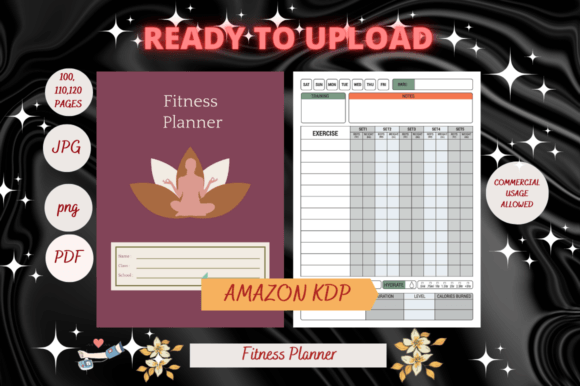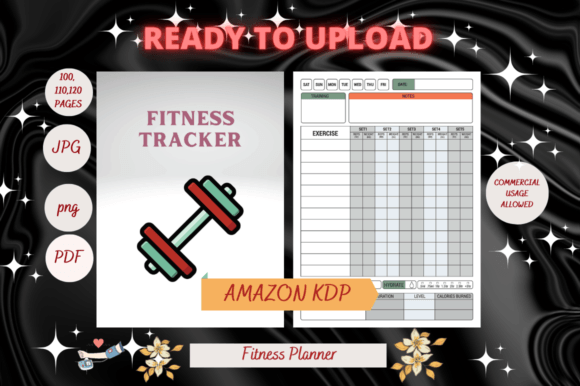
Fitness Tracker: A Designer's Guide to Health & Wellness Journals
A well-designed fitness tracker journal is more than just a collection of pages; it's a powerful tool for visual motivation and personal accountability. For graphic designers and creative professionals, the challenge lies in creating a layout that is both functionally robust and aesthetically compelling. A thoughtfully crafted tracker can seamlessly blend into a user's daily routine while reinforcing a brand's visual identity through consistent use of typography, color palettes, and whitespace.
The Role of Visual Design in Personal Wellness
In the realm of editorial and print design, a fitness tracker journal serves as a prime example of applied graphic design. The core objective is to present complex personal data—workouts, nutrition, hydration, sleep, and goals—in a clean, digestible, and motivating format. This requires a deep understanding of visual hierarchy, where the most critical information is given prominence through strategic use of size, weight, and placement. The design must guide the user's eye effortlessly from one section to the next, reducing cognitive load and making the tracking process a pleasure rather than a chore.
Practical Applications and Design Considerations
When creating a fitness tracker for platforms like Amazon KDP, designers must consider both the end-user experience and the technical specifications of print-on-demand publishing. The design process involves several key layers of visual communication.
- Layout & Composition: The foundation of any effective tracker is a balanced composition. Using grid systems ensures alignment and consistency across 100+ pages. Margins, bleed areas, and gutter space must be meticulously set for professional print output, especially for perfect-bound books.
- Typography & Readability: Font selection is critical. A combination of a clean, legible sans-serif for body text and a complementary serif or display font for headings can create a modern aesthetic while ensuring long-term readability. Ample line spacing and paragraph breaks are non-negotiable for a comfortable writing experience.
- Color Palette & Branding: Color is a powerful psychological tool. A limited, cohesive color palette can evoke specific emotions—energetic oranges for activity, calming blues for mindfulness. For a designer creating a digital product, this palette should be defined in a style guide and applied consistently to all elements, from section headers to subtle background tints.
- Functional Graphics: Simple icons, progress bars, and charts transform raw data into engaging visual narratives. These elements should be scalable vector graphics (SVGs) to maintain crispness at any size, contributing to the overall professional presentation.
From Concept to KDP-Ready Product
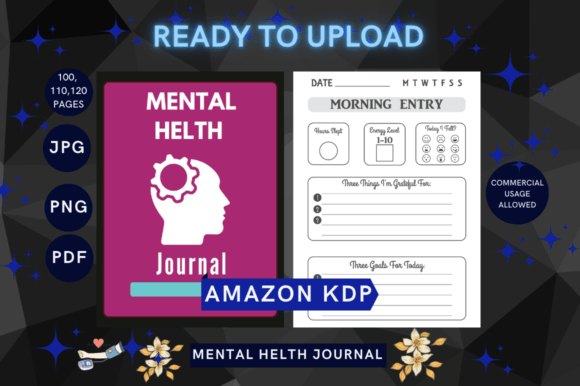
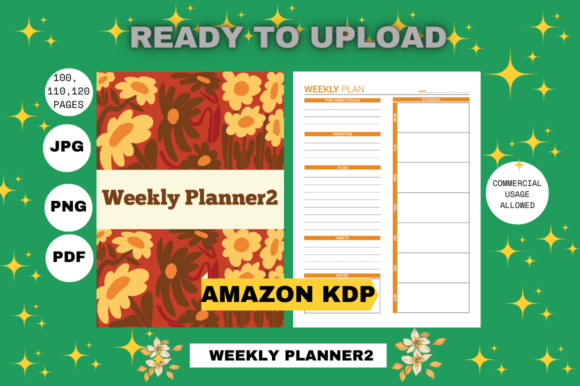
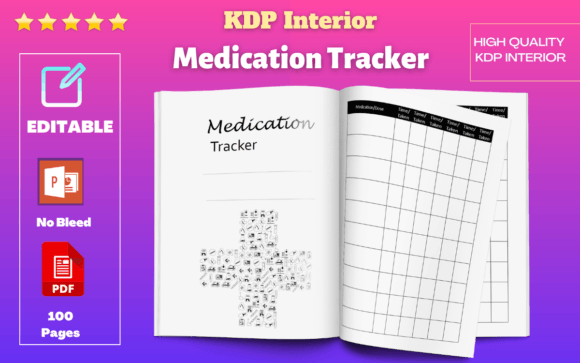
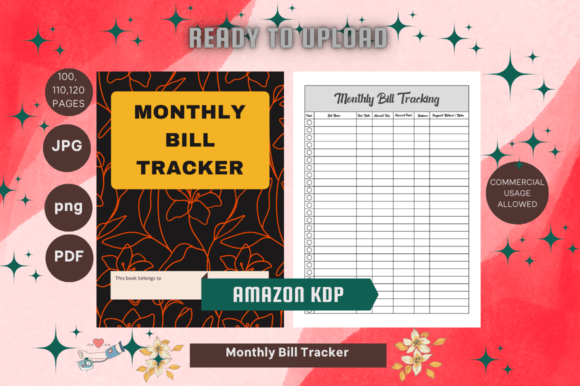
The journey from a design concept to a ready-to-upload PDF involves rigorous testing and refinement. For a fitness tracker journal intended for Amazon KDP, the file must be meticulously prepared. This includes ensuring the final PDF is print-ready with the correct dimensions (e.g., 8.5" x 11"), no bleed for interior pages, and all fonts embedded. Offering multiple page counts (100, 110, 120 pages) caters to different user needs and adds value to the product suite.
For creators looking to develop similar digital products, focusing on the user's workflow is paramount. Include intuitive sections for weekly planning, monthly reviews, and goal setting. The design should be flexible enough to accommodate various fitness routines while maintaining a unified visual structure. This approach not only enhances the user's experience but also strengthens the perceived quality and brand identity of the product itself.
Ultimately, the success of a creative asset like a fitness tracker journal lies in its ability to marry form and function. It demonstrates how thoughtful graphic design, grounded in principles of visual hierarchy, typography, and user-centric layout, can create a tool that is not only useful but also genuinely inspiring to use. By prioritizing clarity, consistency, and professional execution, designers can produce resources that empower users and stand out in a crowded digital marketplace.