Mental Health Journal: A Designer's Guide to Thoughtful Visual Communication
In today's fast-paced creative landscape, the tools we use to organize our thoughts are as crucial as the software we design in. A well-structured Mental Health Journal is more than a personal wellness tool; it's a powerful template for creating intentional, organized, and impactful visual design systems. For graphic designers, marketers, and content creators, understanding this structure can revolutionize how we approach branding, editorial layouts, and user experience.
The Anatomy of Effective Visual Design
Just as a journal provides a framework for reflection, successful graphic design relies on a clear visual hierarchy. This principle guides the viewer's eye through information in a deliberate order, ensuring key messages are communicated effectively. Whether you're designing a brand identity system, a website UI, or marketing collateral, establishing this hierarchy is foundational. It involves the strategic use of typography, scale, color contrast, and spatial arrangement to create order and clarity.
Consider the practical applications of this principle across various creative projects:
- Branding & Logo Design: A cohesive brand identity requires consistent application of visual elements. A structured approach ensures your logo, color palette, and typography work together harmoniously across all touchpoints, from business cards to digital ads.
- Editorial & Print Design: For books, magazines, or reports, a journal-like organization of content—using grids, columns, and clear section breaks—enhances readability and gives the publication a professional, polished aesthetic.
- Digital & UI Design: In web design and app interfaces, a logical flow is essential for user experience (UX). Organizing content modules, buttons, and navigation in a predictable pattern reduces cognitive load and improves engagement.
- Packaging & Merchandise: On physical products, visual hierarchy directs attention to the brand name, key features, and call-to-action, making packaging both beautiful and functional.
From Concept to Creation: Streamlining Your Design Workflow
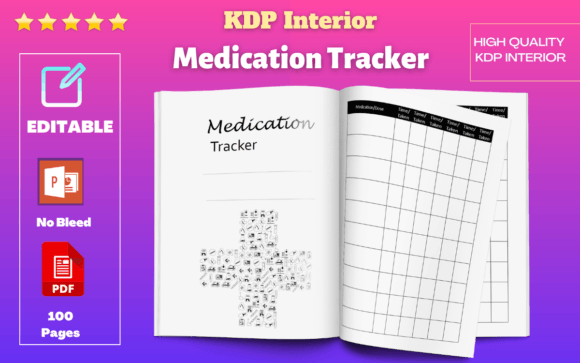
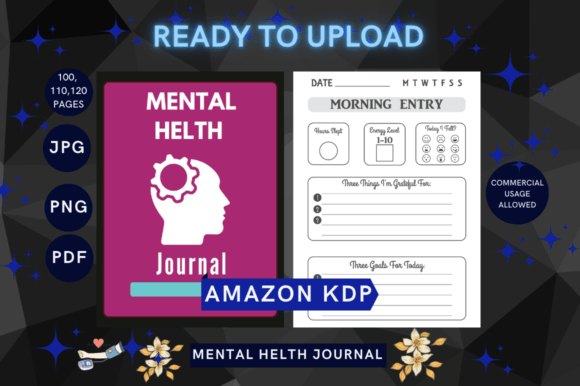
High-quality creative assets are the building blocks of efficient design. When sourcing assets like templates, graphics, or full interior layouts for projects such as a Mental Health Journal for Amazon KDP, key considerations include scalability, print-readiness, and format compatibility. For instance, a professionally prepared PDF template in standard dimensions (like 8.5" x 11") that is tested for no-bleed printing saves invaluable production time and ensures a flawless final product.
When evaluating any design resource, ask these questions to ensure it elevates your work:
- Does it enhance visual communication? The asset should serve a clear purpose in guiding the viewer or user.
- Is it consistent with modern aesthetics? Look for clean lines, thoughtful typography, and adaptable color schemes that won't quickly feel dated.
- How does it integrate with existing systems? A good asset should be flexible enough to blend into a broader brand identity or design language without causing conflict.
- What is its practical utility? Prioritize assets that offer multiple applications, such as a social media graphic template that can be repurposed for web banners or presentation slides.
Thoughtful design is an investment in clarity and connection. By applying the structured, intentional mindset of a Mental Health Journal to your creative process, you can produce work that is not only visually stunning but also deeply functional and resonant with your audience. The right creative resources don't just decorate; they communicate, organize, and ultimately, elevate the entire design experience.