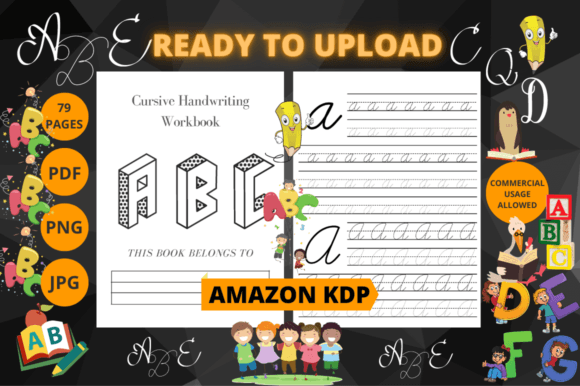
Unlocking Creative Potential with a Cursive Handwriting Workbook for Kids V9
In a digital landscape saturated with uniform fonts, introducing a personal, human touch can be a powerful design strategy. The Cursive Handwriting Workbook for Kids V9 offers a unique resource that bridges the gap between structured learning and organic typography. While its primary function is educational, its high-quality, print-ready format provides graphic designers, marketers, and creators with a versatile asset. This workbook isn't just about teaching letterforms; it's about providing a foundational visual style that can be leveraged across numerous creative projects to evoke warmth, authenticity, and a handcrafted aesthetic.
More Than a Workbook: A Design Asset
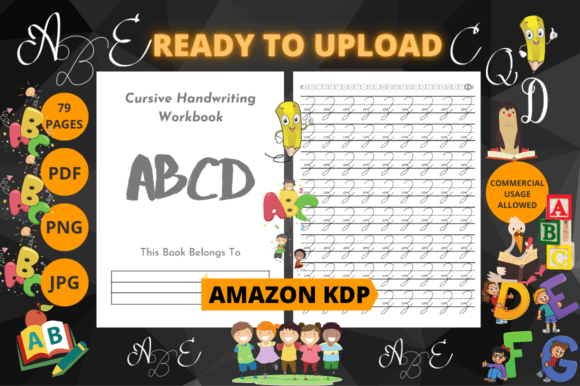
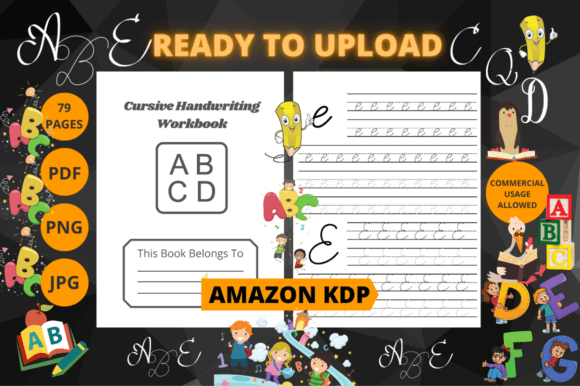
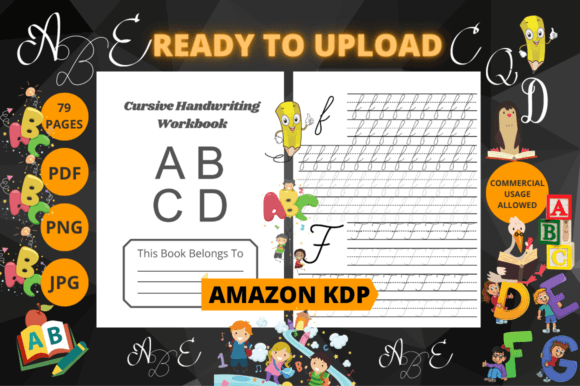
At its core, this is a professionally prepared interior file, optimized for Amazon KDP with specific dimensions (8.5″ x 11″) and 79 pages of content. For designers, this translates to a reliable, high-resolution template. The focus on alphabets A-Z in cursive script serves as a complete typographic reference. This resource can be deconstructed and repurposed, offering a library of letterforms that feel personal and approachable—qualities often sought after in modern branding and visual communication.
Practical Applications for Creatives
Integrating elements from a cursive workbook can significantly enhance the emotional resonance of a design. Consider its application in the following areas:
- Brand Identity & Logo Design: A single, beautifully rendered cursive letter can become the cornerstone of a logo for boutique brands, cafes, or artisanal products, instantly conveying a story of craftsmanship.
- Marketing & Social Media Graphics: Use cursive snippets for headlines, quotes, or call-to-action text on social media posts and digital ads. This breaks the monotony of standard sans-serifs, increasing visual hierarchy and stopping the scroll.
- Packaging & Editorial Design: In packaging design, cursive text can highlight a product's key ingredient or a brand's heritage. For editorial layouts, it can be used for pull quotes or chapter titles, adding a layer of sophisticated elegance.
- UI/UX and Web Design: Sparingly applied in website headers, button labels, or as decorative elements, cursive typography can guide the user's eye and soften the digital interface, improving the overall user experience by adding a human-centric touch.
Integrating Cursive Elements with Professional Finesse
Effective use of handwritten styles requires a thoughtful approach to maintain professionalism and readability. Here are key considerations for your design workflow:
- Prioritize Readability: Use cursive fonts for short, impactful text—like a logo mark or a headline. Avoid using them for long paragraphs, as this can hinder user engagement and comprehension.
- Create Visual Contrast: Pair cursive typography with clean, geometric sans-serif fonts. This contrast creates a dynamic visual hierarchy, where the cursive element draws attention and the supporting text provides clarity.
- Ensure Brand Consistency: If incorporating a handwritten style into a brand identity, ensure its use is consistent across all touchpoints—from the website UI to the color palette and marketing collateral—to build a cohesive brand system.
- Test for Scalability: Always test your design at various sizes. A cursive letter that looks charming in a logo must also remain legible when scaled down for a favicon or social media profile picture.
The Cursive Handwriting Workbook for Kids V9, available in PDF, PNG, and JPG formats, provides a foundational toolkit for injecting this valuable human element into digital and print designs. It represents a shift towards incorporating authentic, tactile qualities into our visual language, a trend that continues to shape modern aesthetics. By thoughtfully selecting and applying these assets, designers and creators can craft more compelling narratives, strengthen emotional connections with their audience, and elevate the overall quality of their creative output. Quality design is ultimately about communication, and sometimes the most effective message is one that feels personally written.