Streamline Your Creative Process with a Professional Lesson Planner
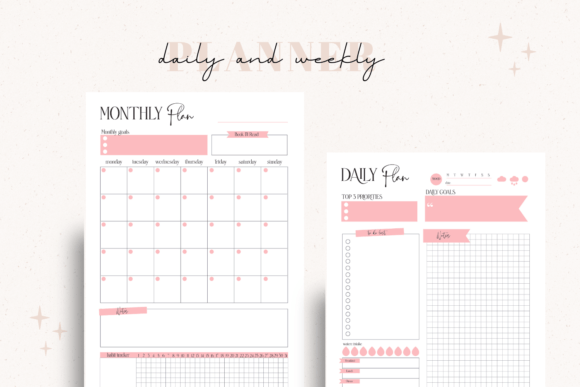
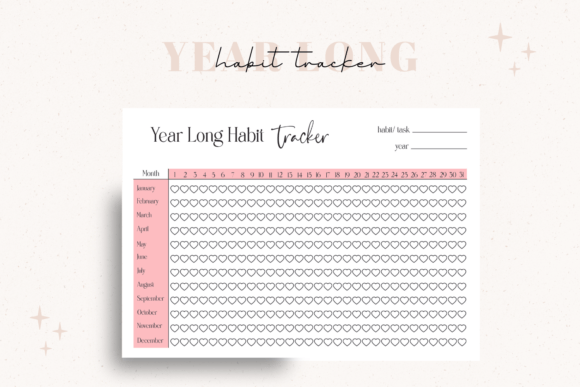
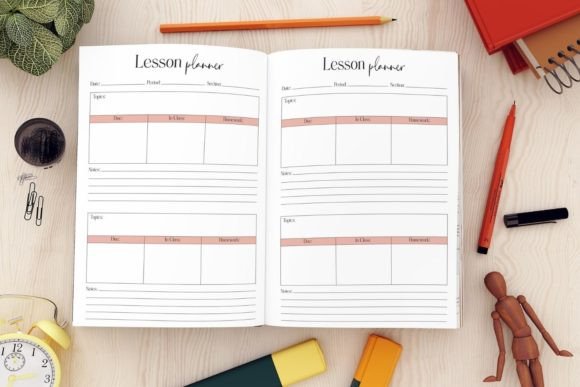
In the fast-paced world of graphic design and creative project management, staying organized is the cornerstone of producing high-quality, impactful work. A meticulously designed lesson planner serves as more than just an organizational tool; it is a foundational asset for structuring ideas, maintaining visual consistency, and ensuring every detail of a project aligns with the overarching brand identity. This printable lesson planner was created to help yourself become better organized and able to track the most important aspects of your classroom, studio, or freelance workflow, transforming chaotic schedules into a clear, actionable visual hierarchy.
The Role of a Lesson Planner in Modern Design Workflow
For designers, marketers, and creators, a structured plan is the blueprint for success. It dictates the flow of a project, from initial concept to final delivery, much like a wireframe guides a web design or a grid system informs an editorial layout. Utilizing a dedicated planner allows for the strategic mapping of creative projects, ensuring that deadlines for social media graphics, branding updates, or client presentations are met with precision. This proactive approach minimizes revisions, enhances client communication, and solidifies a professional presentation standard.
The practical value extends across multiple applications. Consider how a structured plan benefits:
- Brand Identity Systems: Tracking the development of logos, color palettes, and typography suites to ensure all elements cohesively represent the brand.
- Marketing & Advertising Campaigns: Coordinating the release of digital marketing assets, from social media content calendars to email newsletter designs.
- Editorial & Packaging Design: Managing complex timelines for print design projects where multiple stakeholders and production stages are involved.
- UI/UX and Web Design Projects: Outlining user journeys, mapping site architecture, and scheduling prototype testing phases.
Evaluating and Implementing Effective Visual Assets
When selecting any creative asset, including a planner, attention to detail is paramount. The design should facilitate, not hinder, your process. Key factors to evaluate include readability and scalability. The typography must be clear and the layout intuitive, allowing you to quickly jot down notes or track tasks without visual clutter. Furthermore, the asset’s compatibility with your existing design workflow is critical. A high-quality planner, for instance, should be available in versatile formats like Adobe Illustrator (AI), PDF, and JPEG to allow for seamless customization and integration into your digital or print-based systems.
This flexibility is a hallmark of premium design resources. It empowers you to adapt the tool to your specific needs—whether you need to adjust the color palette to match your studio’s branding or reformat a section for a unique packaging design timeline. The goal is to create a system that feels personalized and enhances your productivity.
Enhancing Communication and Aesthetic Quality
Ultimately, the tools you use reflect your professional standards. A well-organized planner contributes directly to the quality of your output. By systematically planning, you create mental and temporal space for deeper creative exploration—refining a logo design, perfecting a typographic lockup, or experimenting with modern aesthetics in a new social media campaign. This structured creativity leads to more polished, effective visual communication that resonates with your audience and strengthens your brand’s visual identity. Thoughtful planning ensures that every design choice is intentional, elevating both the beauty and the clarity of your work.