KDP Nanny Log Book Interior: Streamlining Infant Care
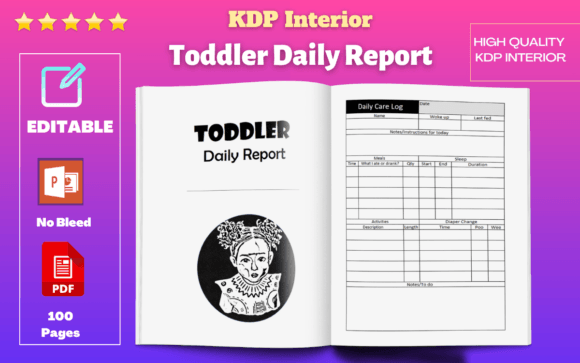
Keeping track of an infant's naps, feedings, and more is easy with this handy KDP Nanny Log Book Interior, designed as a quick and efficient way for babysitters, nannies, daycares, and caregivers to maintain a toddler's daily activities and schedule. This printable toddler log is more than just a checklist; it's a thoughtfully crafted visual tool that brings clarity and professionalism to the essential task of infant care documentation. For designers and creators, it represents a prime example of functional graphic design applied to everyday life.
The Visual Design Behind Effective Care Documentation
At its core, the KDP Nanny Log Book Interior is a study in user experience (UX) design and visual hierarchy. The layout prioritizes scannability and ease of use, crucial for busy caregivers. Clean lines, ample white space, and intuitive section breaks guide the eye naturally from one entry to the next. This isn't just a list; it's a structured editorial design that communicates information quickly and accurately, reducing cognitive load and minimizing the chance for missed details.
The design choices here are intentional and impactful:
- Typography: The selection of clear, readable sans-serif fonts ensures legibility at a glance, even when hastily written in. This is a fundamental principle in print design for functional documents.
- Color Palette: A restrained, likely pastel or neutral, color palette maintains a calm, professional aesthetic. This brand identity choice aligns with the nurturing context of childcare while ensuring printed notes remain photocopier-friendly.
- Layout & Composition: The 6"x9" size is a standard, portable format. The 100-page interior with "No Bleed" and "Resized vector" specifications indicates a focus on print-ready quality and scalability, ensuring every element remains crisp from screen to paper.
Practical Applications and Creative Potential
While its primary function is as a digital product for KDP (Kindle Direct Publishing), the design principles within this log book have broad applications. It serves as an excellent case study for creating creative assets that bridge the digital and physical worlds.
Consider how this template's approach can inspire other projects:
- Brand Extensions: A childcare service could adapt this layout for branded packaging design inserts or marketing materials, reinforcing their brand identity through consistent, practical utility.
- Digital Adaptation: The clean structure is perfect for conversion into a UI design element for a parenting app or a printable PDF shared via social media graphics as a lead magnet.
- Editorial & Presentation: The logical flow and clear labeling system can inform the design of presentations for healthcare professionals or editorial layouts for parenting blogs.
Selecting and Using Design Assets Effectively
When evaluating assets like this KDP Nanny Log Book Interior, designers should look beyond the surface. Assess the visual hierarchy—does it guide the user to the most important information first? Check the compatibility of the provided formats (PowerPoint for easy editing, PDF for universal sharing). The promise of "High-quality resolution interiors" and "Commercial Use" is critical for professional projects, ensuring the asset can be integrated into client work or your own product line without quality loss or licensing issues.
For any creative project, the key is consistency. Whether you're using a pre-made template or drawing inspiration from it, ensure the color palette, typography, and spacing align with your broader brand identity or project goals. A well-designed log book interior does more than record data; it communicates reliability, care, and professionalism—values that are paramount in both design and caregiving.
In the realm of visual communication, the most impactful designs are those that solve real problems with elegance and efficiency. A thoughtfully crafted template like this log book interior does exactly that, proving that even the most mundane tasks can be elevated through smart graphic design. It underscores how quality creative assets don't just look good—they enhance usability, build trust, and ultimately create a more seamless and positive experience for everyone involved.