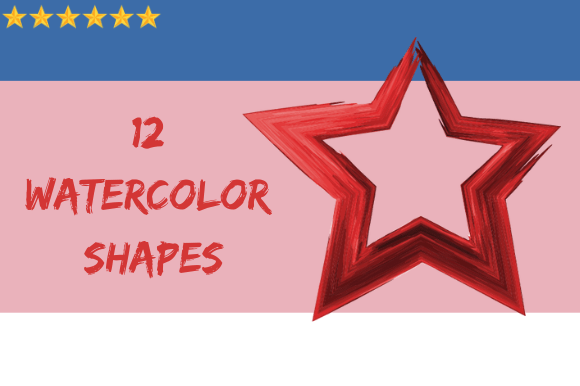
12 Watercolor Shapes: Elevate Your Creative Projects
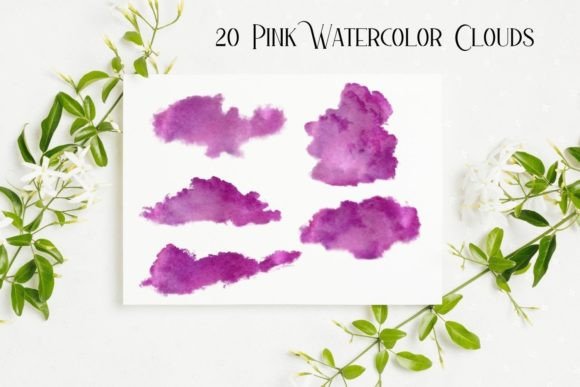
Imagine instantly adding organic texture, hand-painted charm, and a burst of color to your designs with just a few clicks. This is the power of a versatile asset like 12 Watercolor Shapes, a collection designed to streamline your workflow and inject life into any project. These PNG transparent files are more than just decorative elements; they are tools for creating emotional resonance and visual interest in a saturated digital landscape.
The Role of Organic Textures in Modern Design
In an era dominated by sleek gradients and flat design, incorporating tactile, handcrafted elements like watercolor shapes can create a powerful contrast. This technique is fundamental to achieving a balanced visual hierarchy, guiding the viewer's eye while adding depth and personality. For graphic designers, these shapes serve as a bridge between digital precision and artistic expression, making them invaluable for projects that require a human touch.
Effective branding often relies on distinctiveness. By integrating watercolor elements into your brand identity, you move beyond generic templates. Whether used as background washes, accent marks, or standalone icons, these shapes help communicate authenticity and creativity. They are particularly useful for brands aiming to appear approachable, artistic, or nature-inspired.
Practical Applications for Creative Assets
The true value of a design asset lies in its versatility. This collection of shapes is optimized for a wide array of applications, ensuring your investment pays off across multiple platforms. Consider incorporating them into:
- Marketing and Social Media Graphics: Create eye-catching Instagram stories, Facebook banners, or Pinterest pins that stop the scroll. The organic forms are perfect for framing text overlays or highlighting promotional offers.
- Website and UI Design: Use subtle watercolor washes as background textures to soften the digital interface or as loading animations to enhance user experience (UX).
- Editorial and Print Design: Enhance magazine layouts, book covers, or wedding invitations. The high-resolution transparency ensures they blend seamlessly with other imagery and typography.
- Packaging Design: Differentiate your product on the shelf with unique, artisanal labeling that suggests quality and care.
Integrating Shapes with Typography and Color
To maximize impact, consider how these shapes interact with your existing design systems. A bold sans-serif font often pairs beautifully with the soft edges of watercolor, creating a dynamic tension that commands attention. Furthermore, you can easily adjust the hue of these PNG files to match any specific color palette, ensuring they support rather than clash with your primary brand colors. This adaptability is key to maintaining a professional presentation across all touchpoints.
Tips for Effective Implementation
When selecting and using design elements, always keep the end-user in mind. Here are a few actionable tips to ensure your designs remain polished:
- Check Scalability: Ensure the resolution of your assets is high enough for both digital screens and large-format print design without losing quality.
- Maintain Consistency: Stick to a cohesive set of shapes or a specific style of texture to avoid a disjointed look in your final composition.
- Focus on Readability: When placing text over a watercolor shape, ensure there is sufficient contrast. You may need to add a semi-transparent overlay or a drop shadow to maintain legibility.
- Layer Thoughtfully: Experiment with blending modes in your design software to see how the shapes interact with background colors and other imagery.
Ultimately, the goal of any design project is effective communication. High-quality creative assets like these watercolor shapes provide the building blocks for compelling visual storytelling. By thoughtfully selecting elements that align with your message and audience, you elevate your work from merely functional to truly memorable. Investing in premium resources allows you to focus on the creative strategy, ensuring your final output is both aesthetically pleasing and commercially effective.